
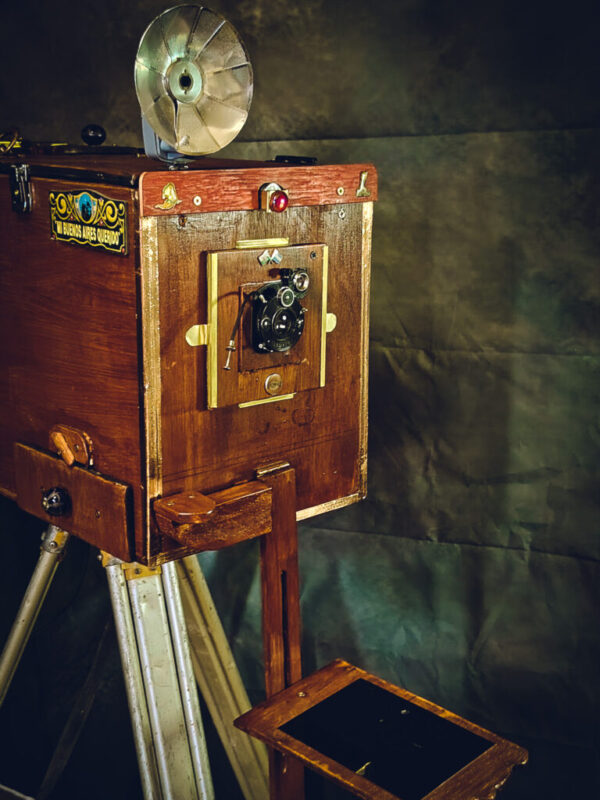
Cámara Minutera, Chasirete, Street Box Camera, Afghan Camera, Cámara de Plaza
All these names describe the same type of simple camera.
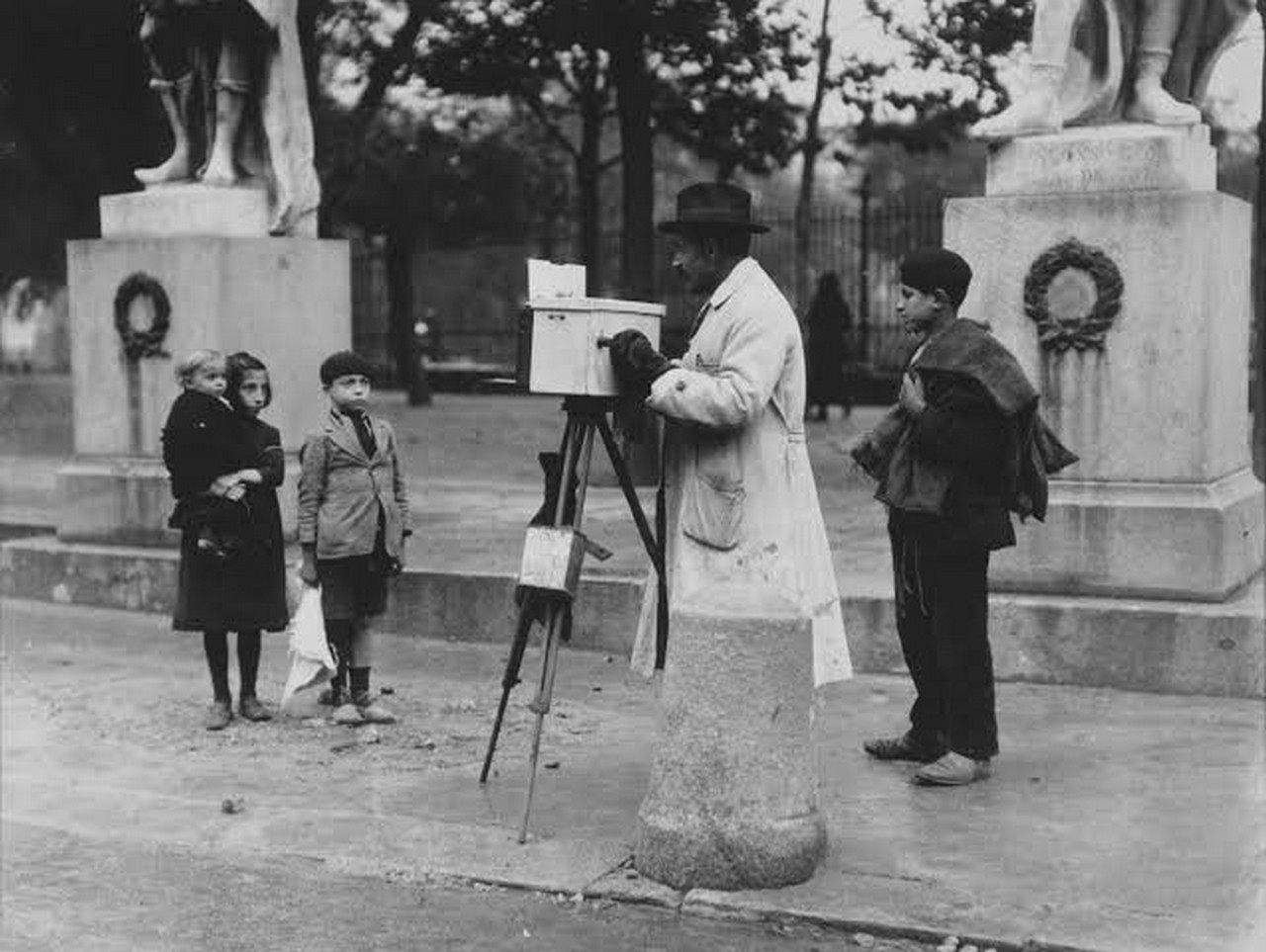
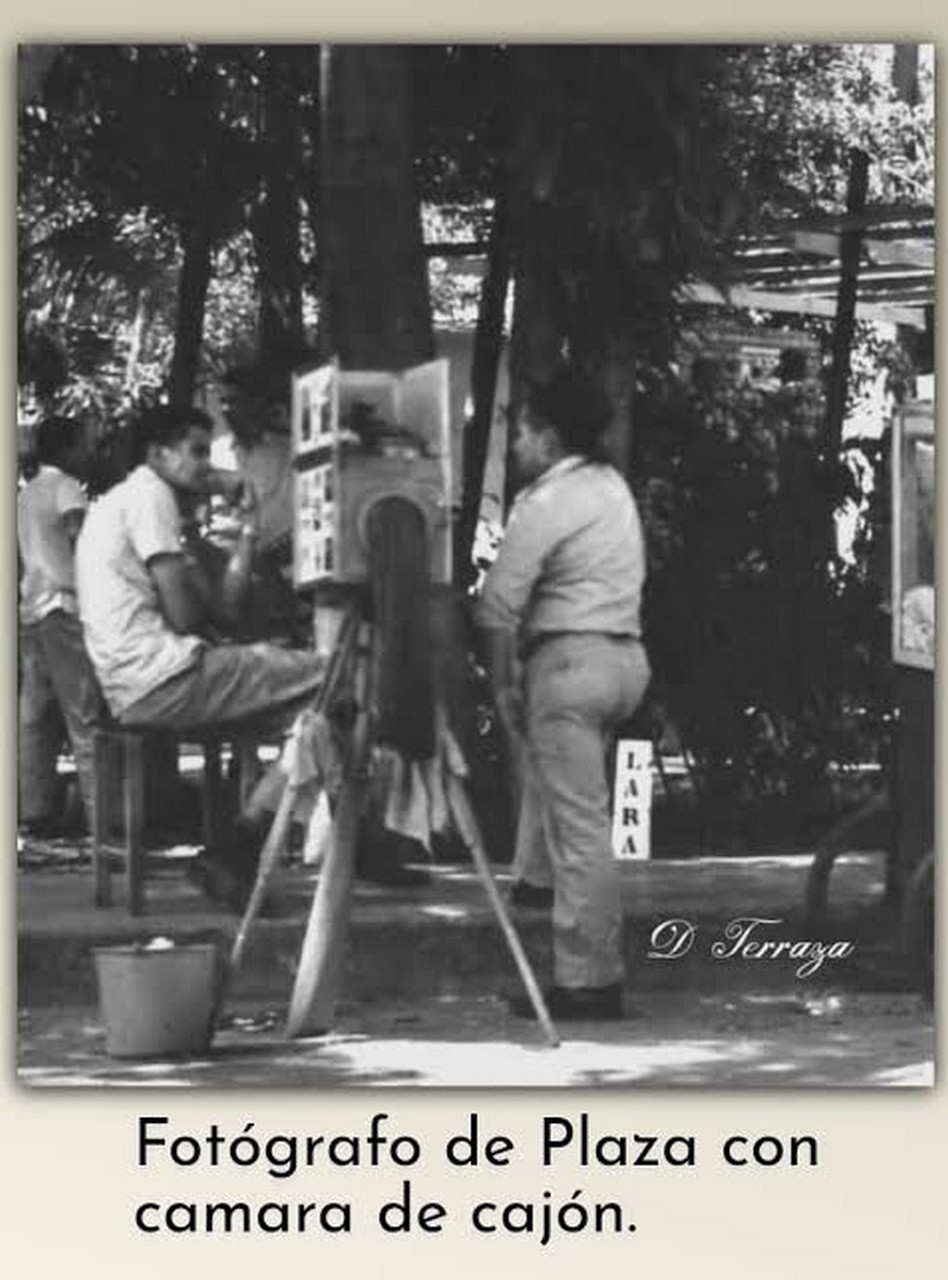
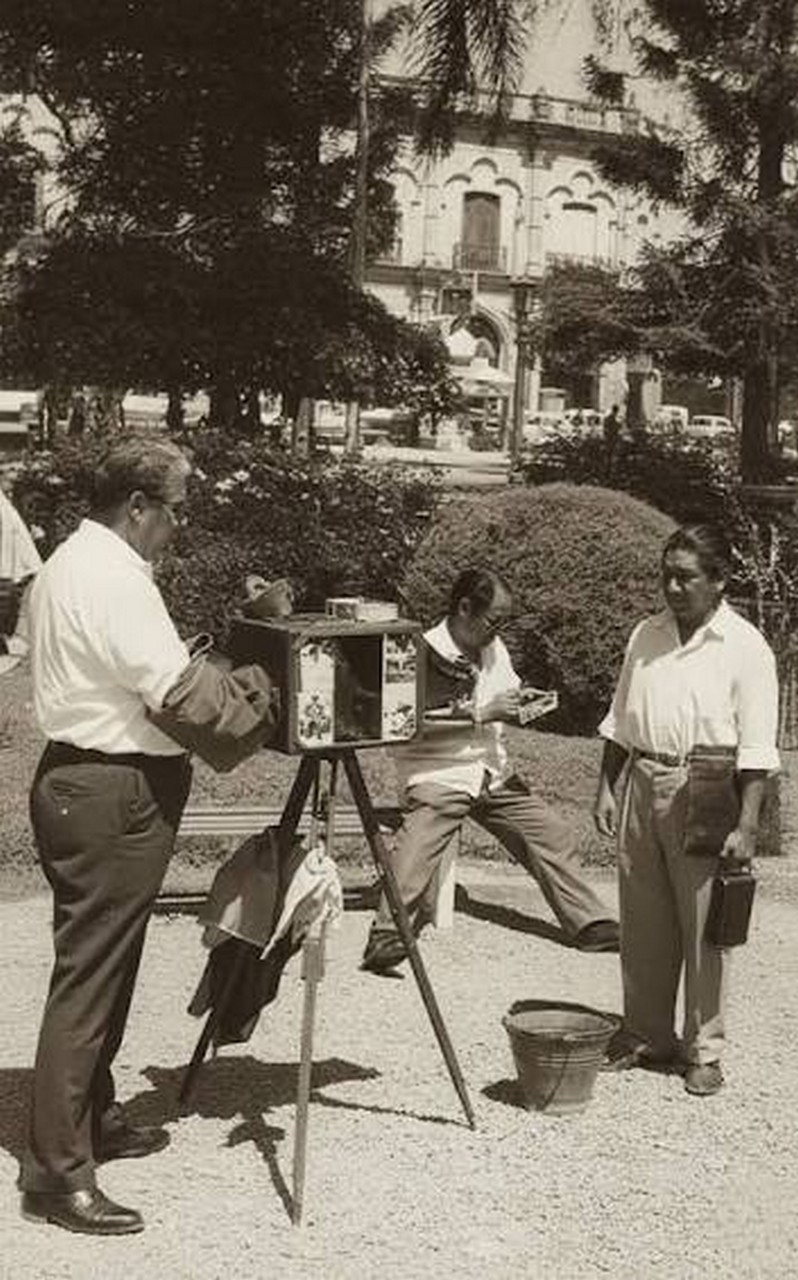
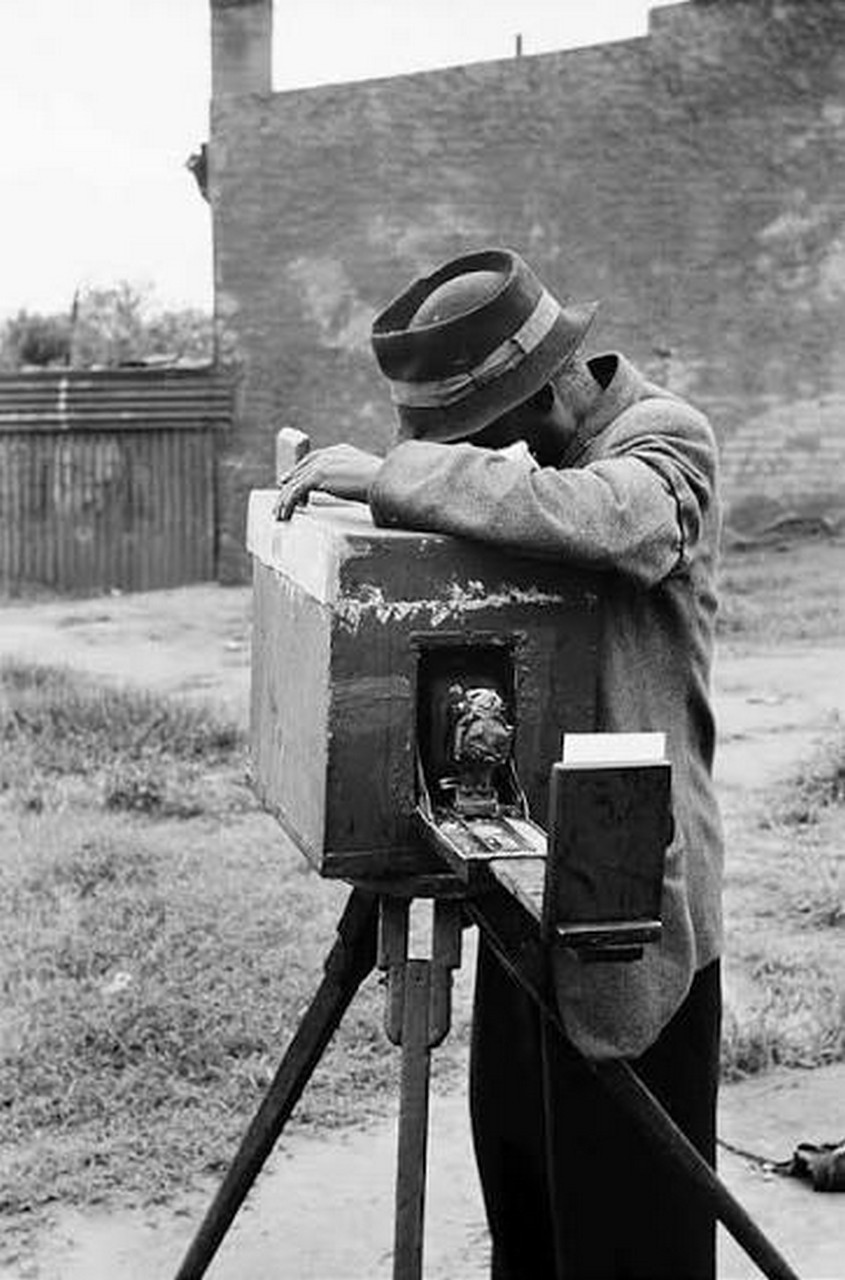
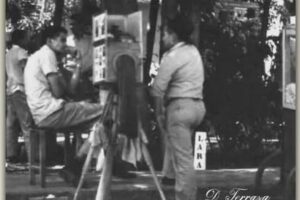
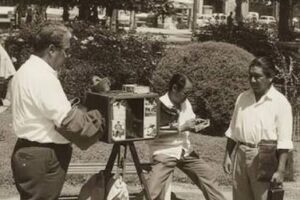
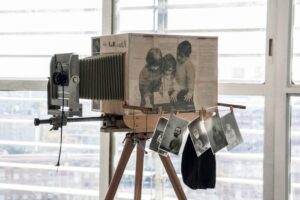
A cámara minutera is a traditional wooden box camera with a built-in darkroom. Street photographers use it to take, develop, and deliver prints in just a few minutes.
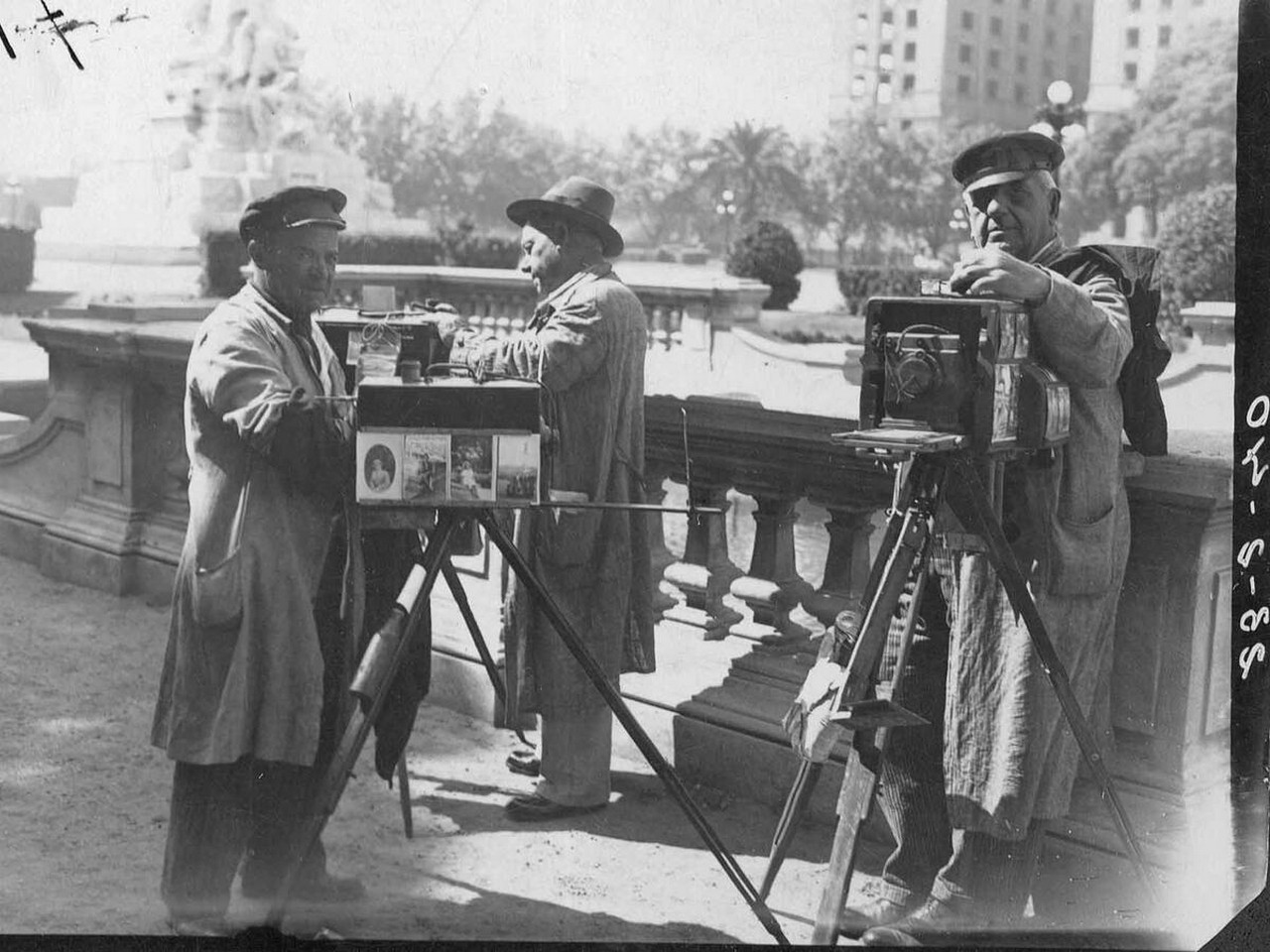
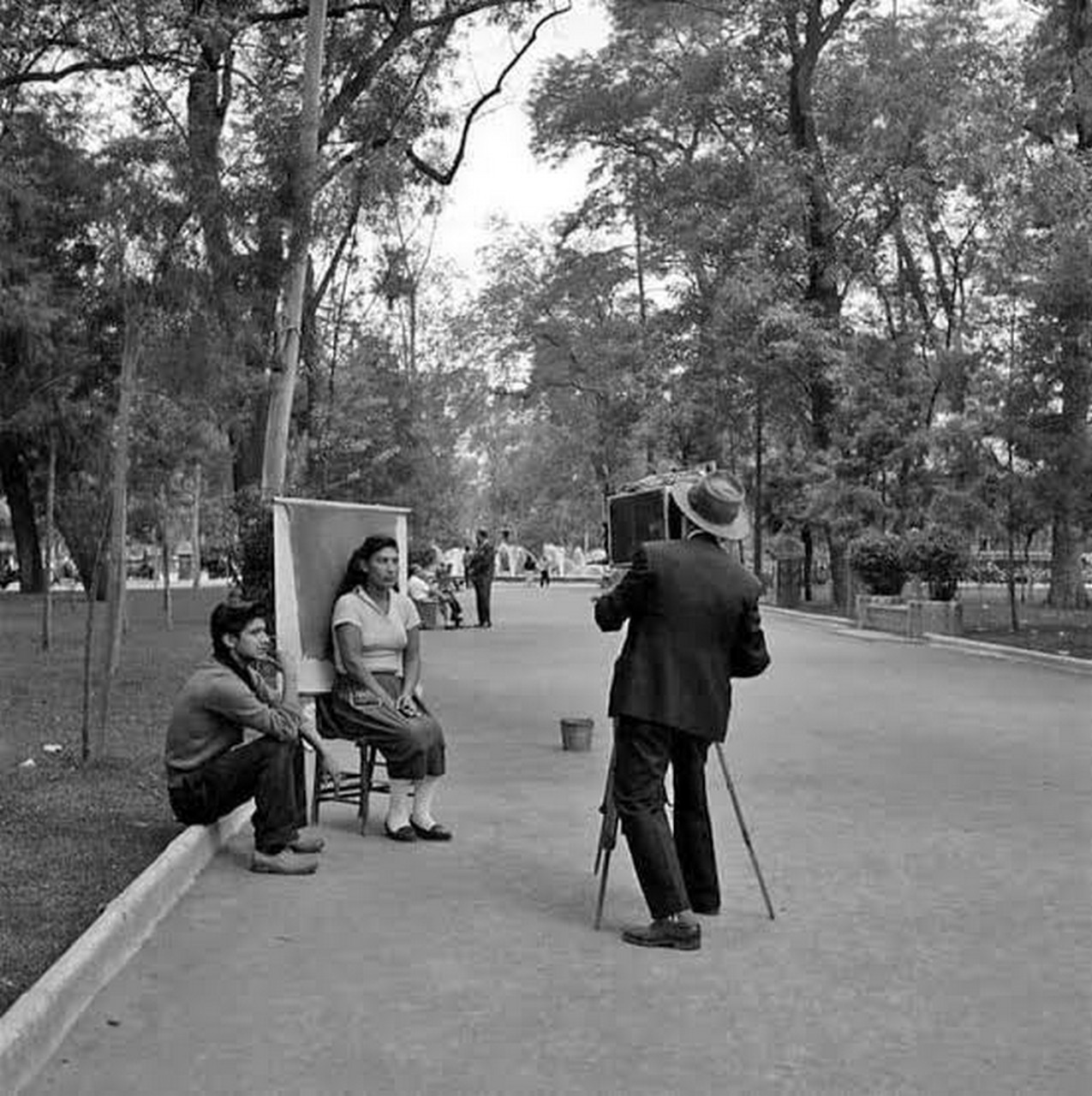
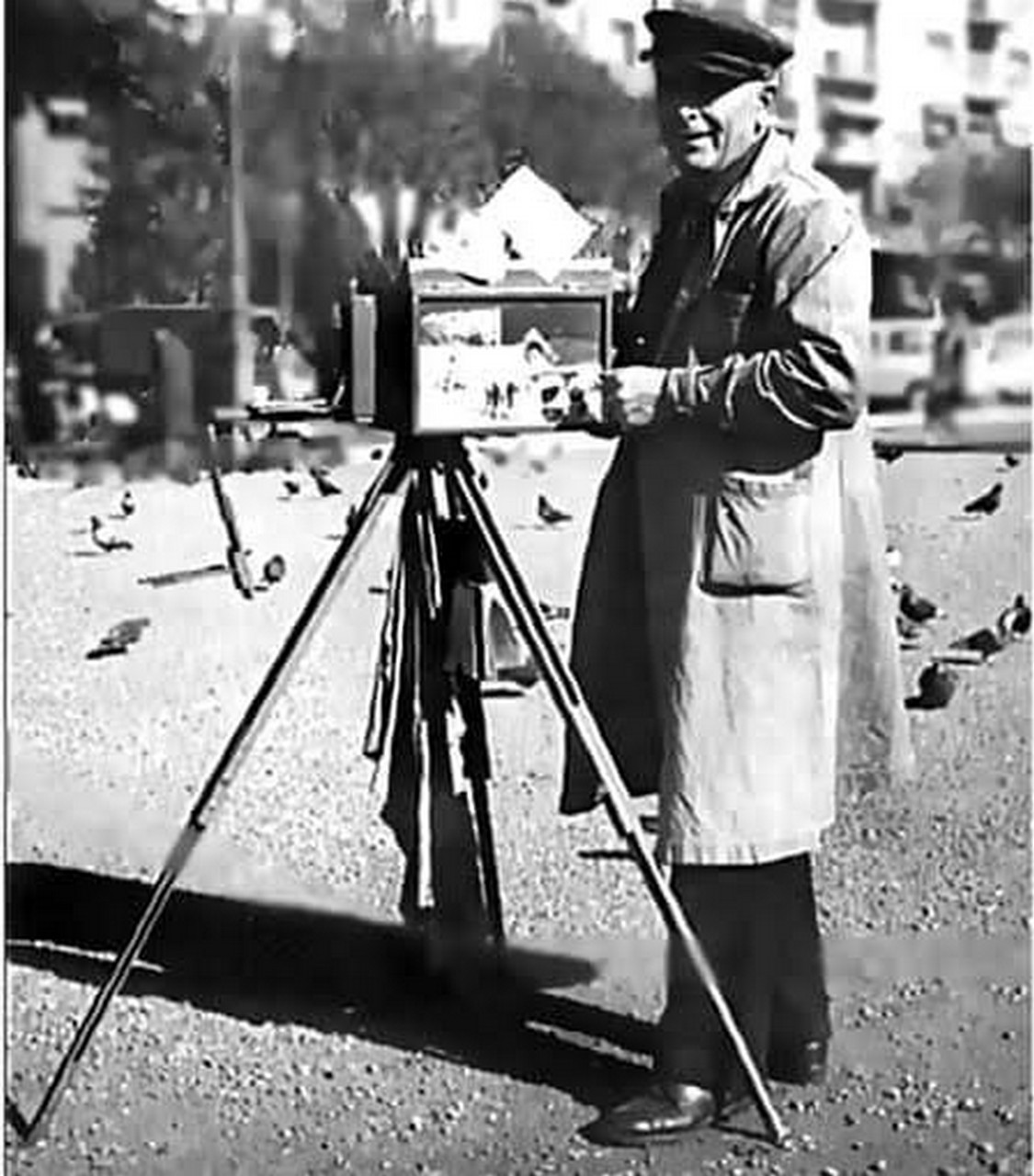
Chasirete is a word from Buenos Aires slang, Lunfardo. It referred to street or public-square photographers, often Italian immigrants, who worked in places like Plaza Italia in Palermo and photographed people passing by.
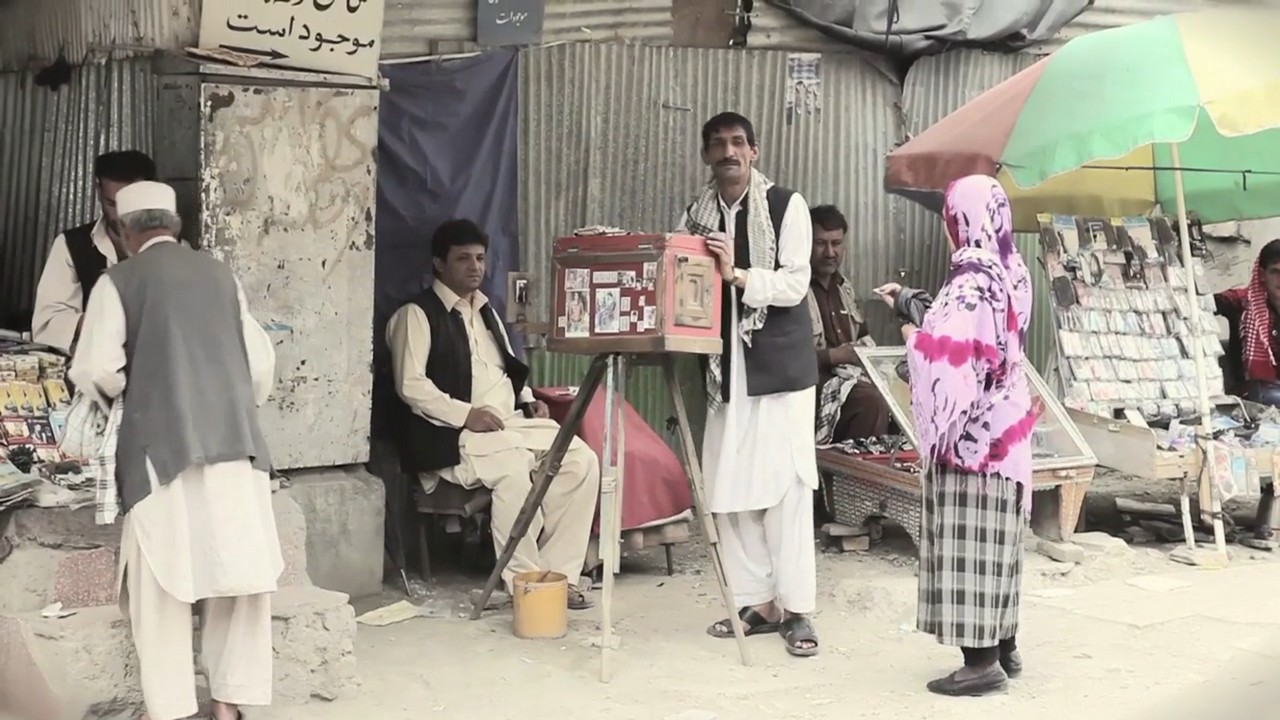
Kamra-e-faoree is a word from Dari that means ‘instant camera.’

How It Works
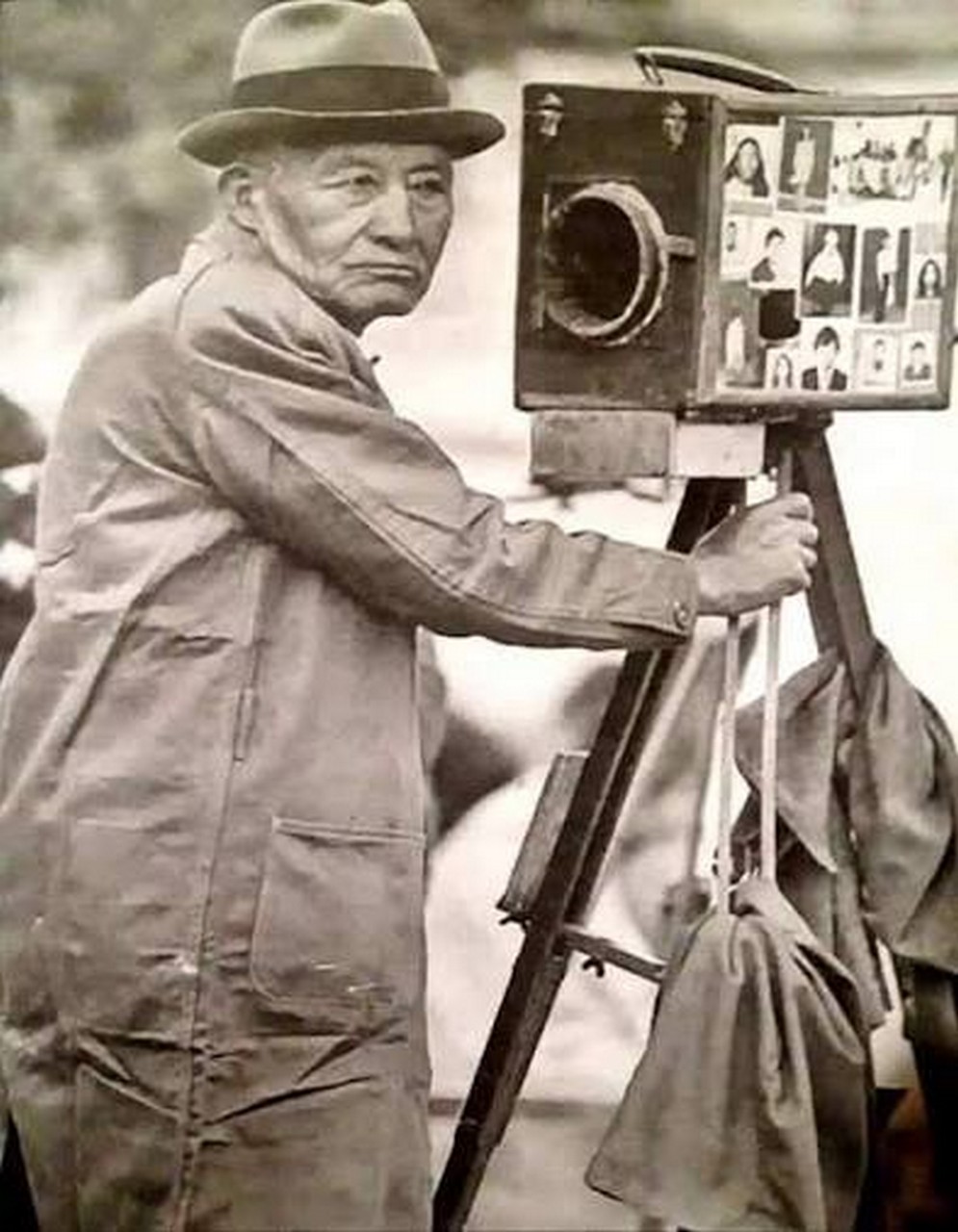
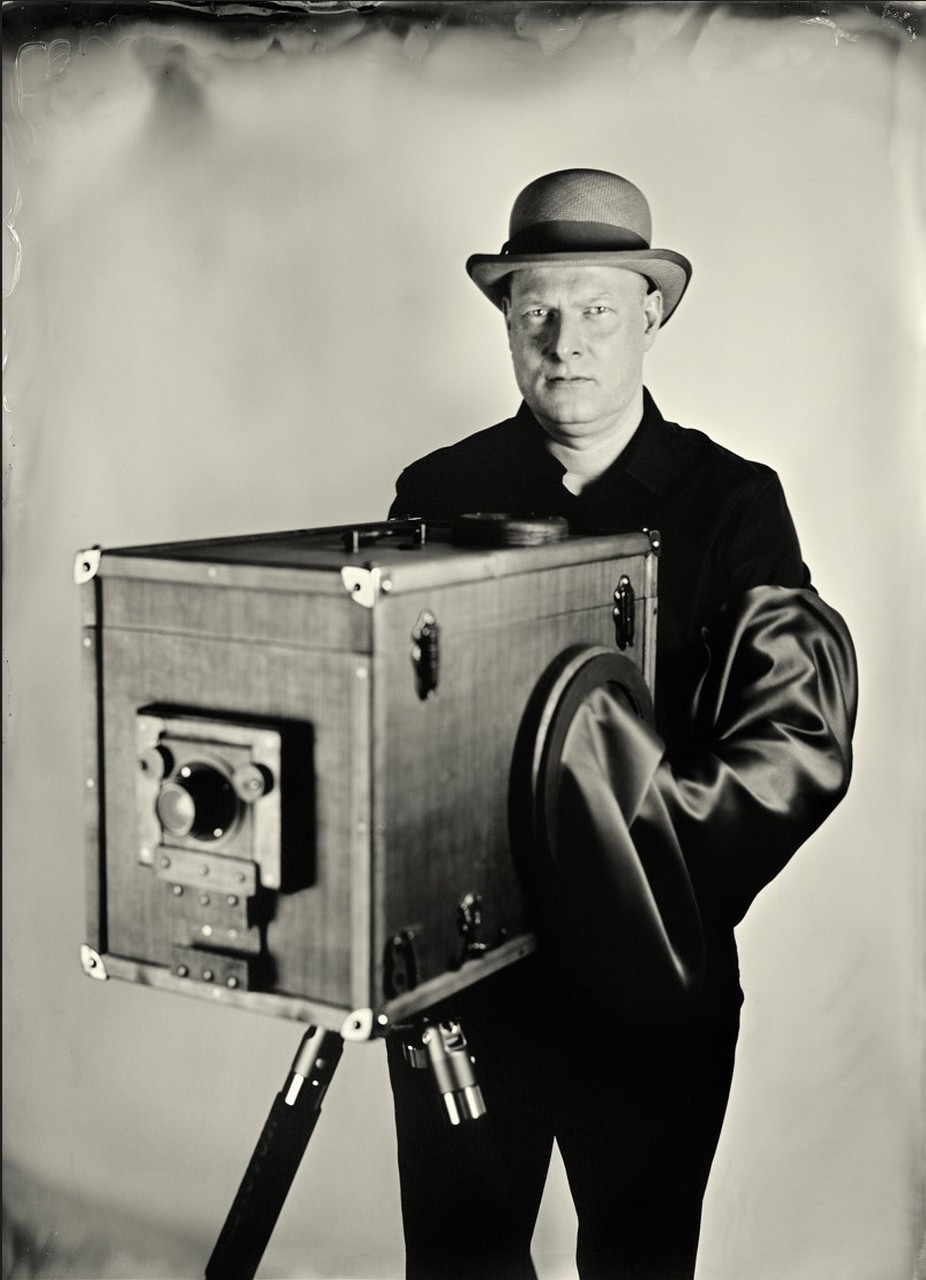
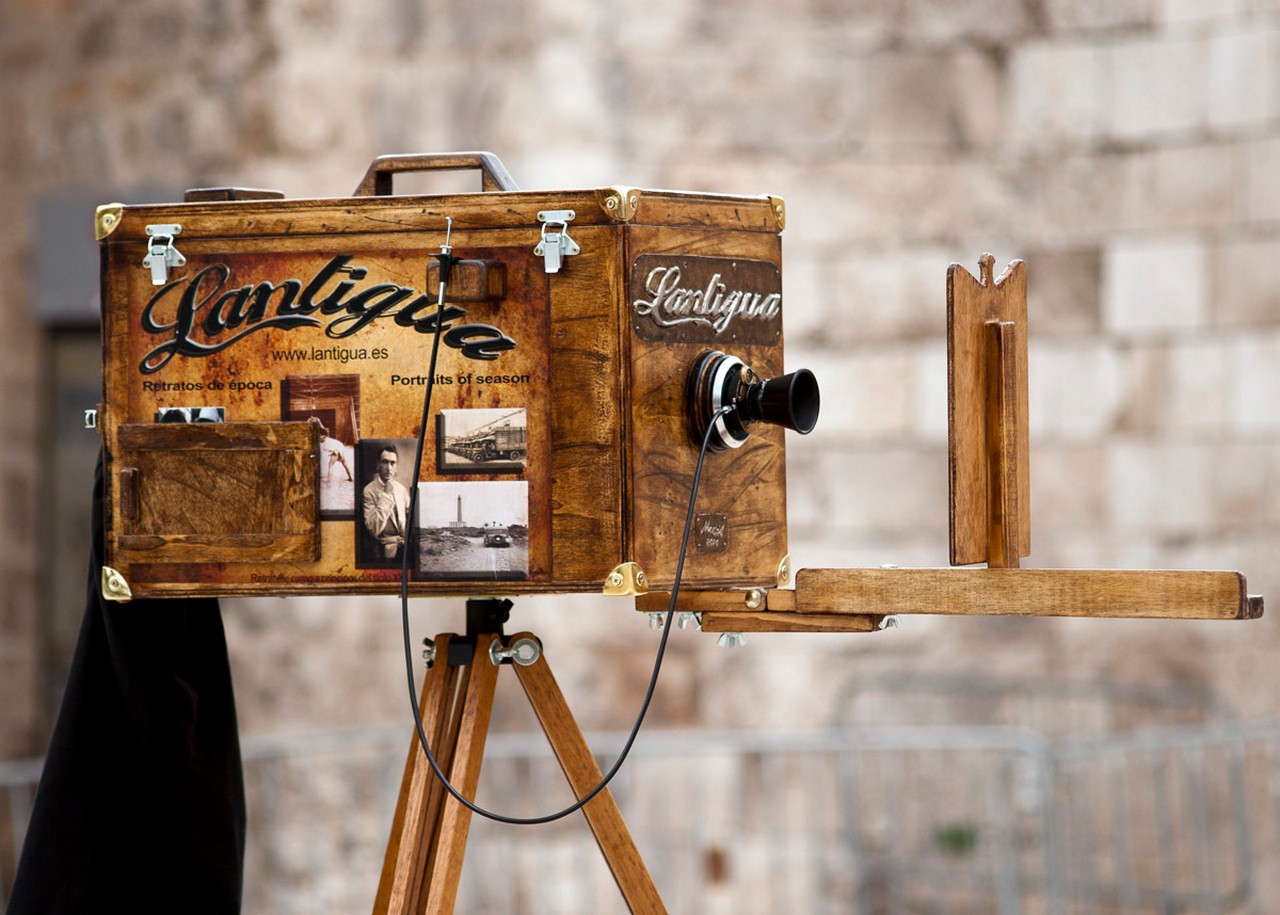
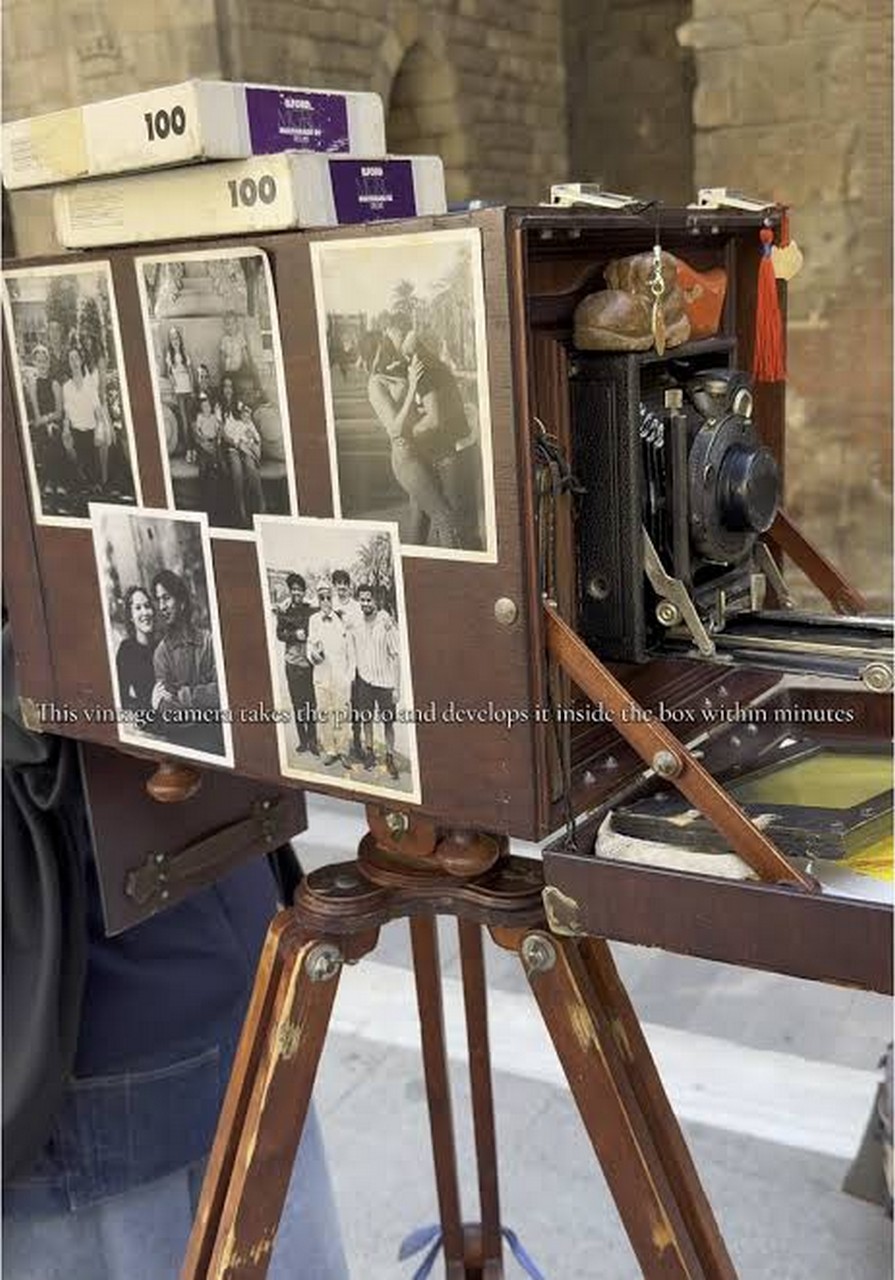
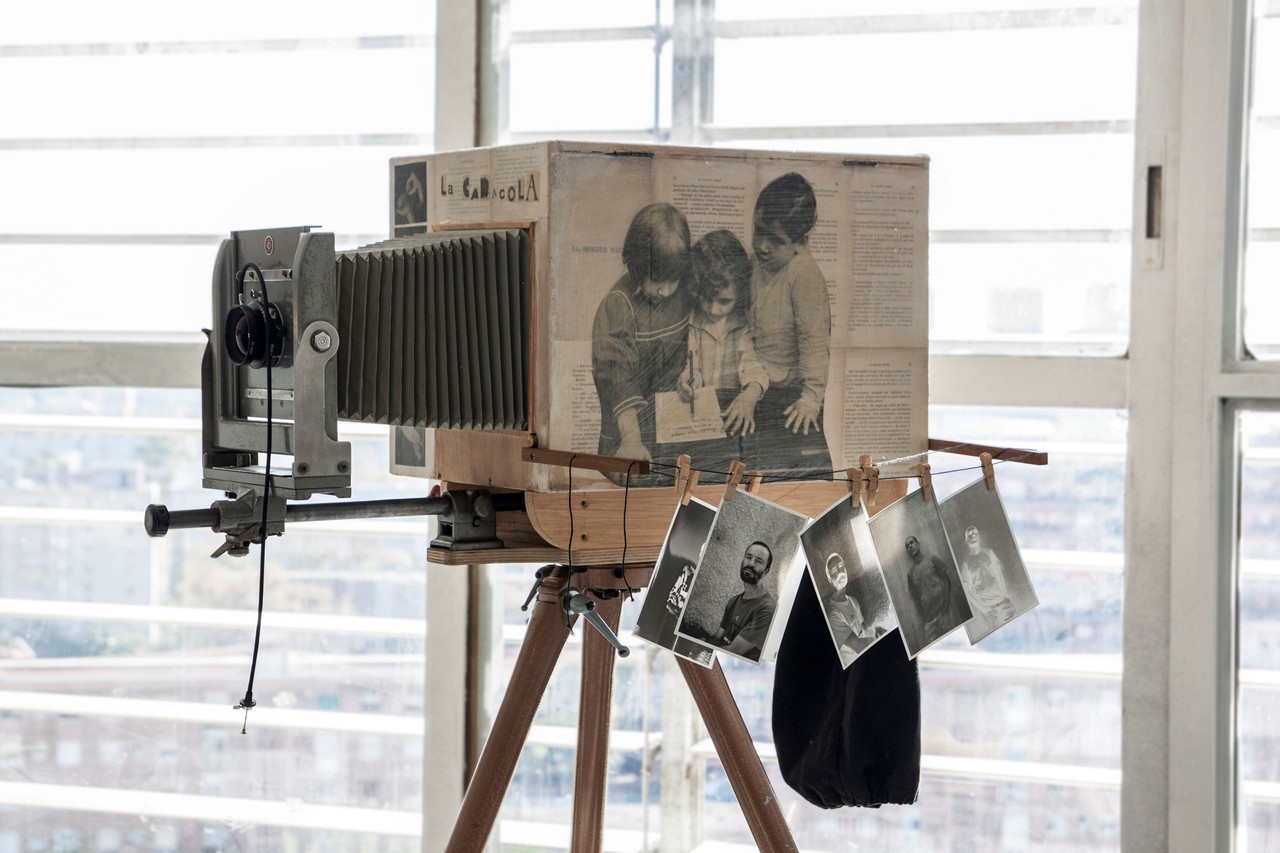
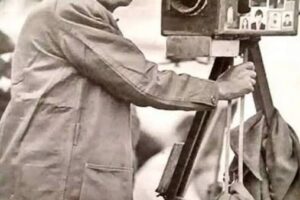
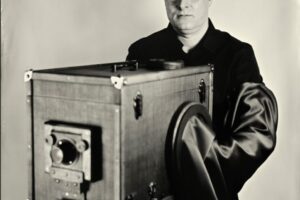
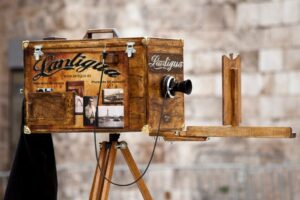
The camera is usually a wooden box with a simple lens on the front. In some cases, a folding camera is built into the front.
This two-in-one design means the camera holds light-sensitive paper, developing chemicals such as developer and fixer, and a small viewing screen inside a sealed wooden box.
A cámara minutera, or minute camera, is a traditional wooden box camera with a built-in darkroom. It lets street photographers take, develop, and give physical prints to clients in just a few minutes.
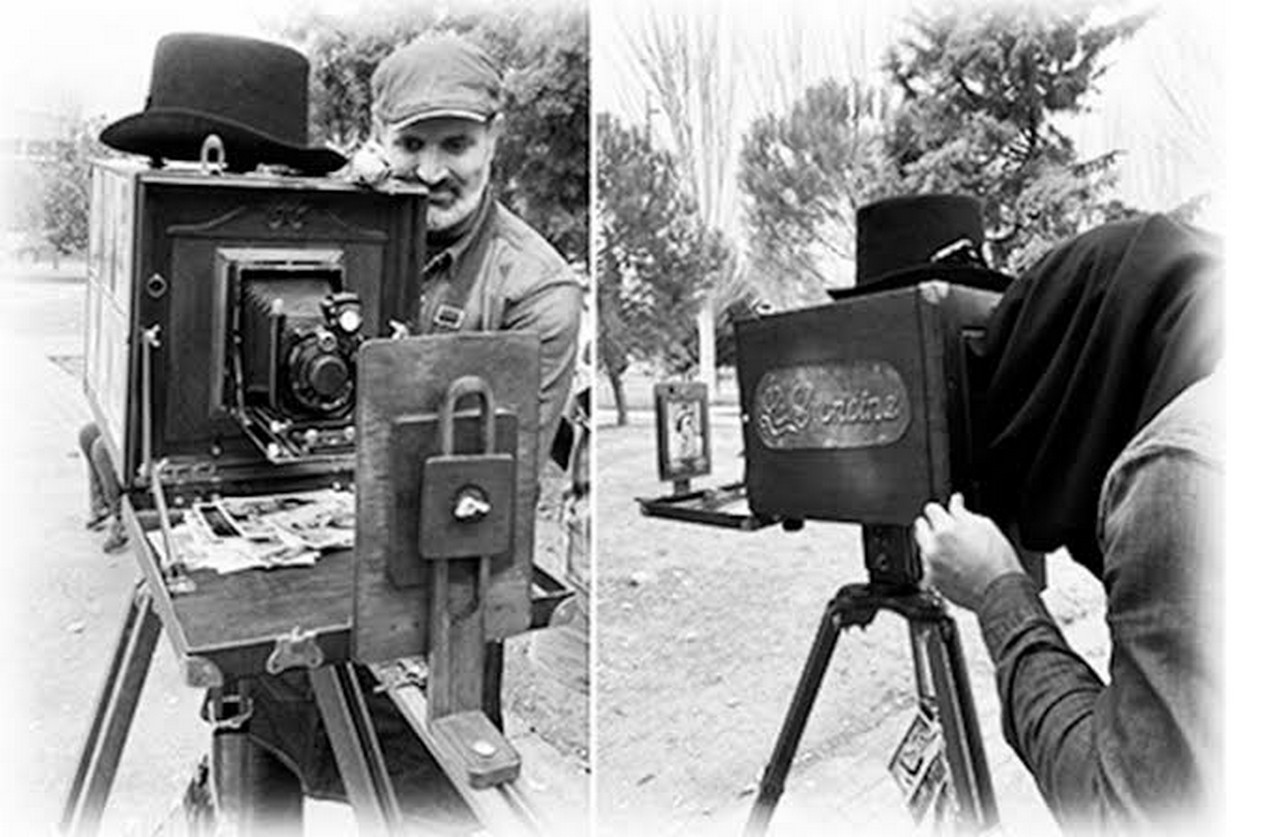
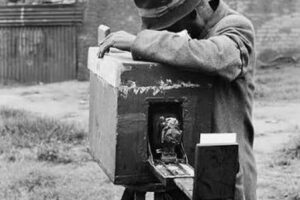
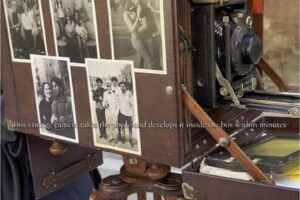
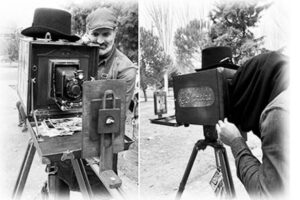
Inside the back of the box, the photographer places a sheet of photographic paper for exposure. To process the picture, they put a hand through a sleeve that blocks out light. There is space inside for a small lab where the paper is developed and fixed in simple containers, then rinsed in a bucket of water. These photos are made on photographic paper instead of film, since film takes longer to develop and needs an indoor lab. After developing, the result is a negative image. The photographer places this negative on a holder at the front of the camera and takes a new photo of it. Repeating the process produces a regular, positive image.
To make a negative, the photographer focuses the image on a ground glass, then replaces it with photographic paper and exposes it to light to create a paper negative.
For onboard development, the paper negative is dipped into chemical baths inside the camera box to develop and fix it.
To make the positive print, the photographer places the wet developed negative on a small bracket (paleta) at the front of the camera and photographs it again onto new paper, turning it into a positive image.
For the final delivery, the new positive print is quickly rinsed in chemicals and handed to the customer. The whole process usually takes about 10 to 15 minutes.
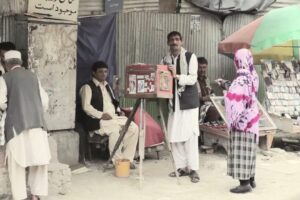
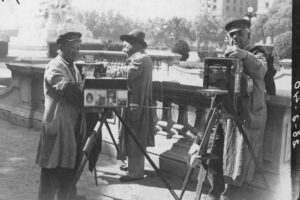
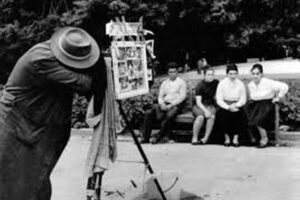
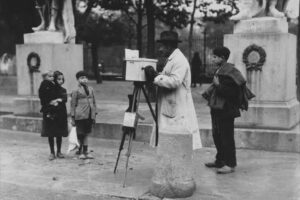
History and Tradition
People first used this type of camera in small towns and villages without photographic studios. Travelling photographers would visit and set up a studio on the spot.
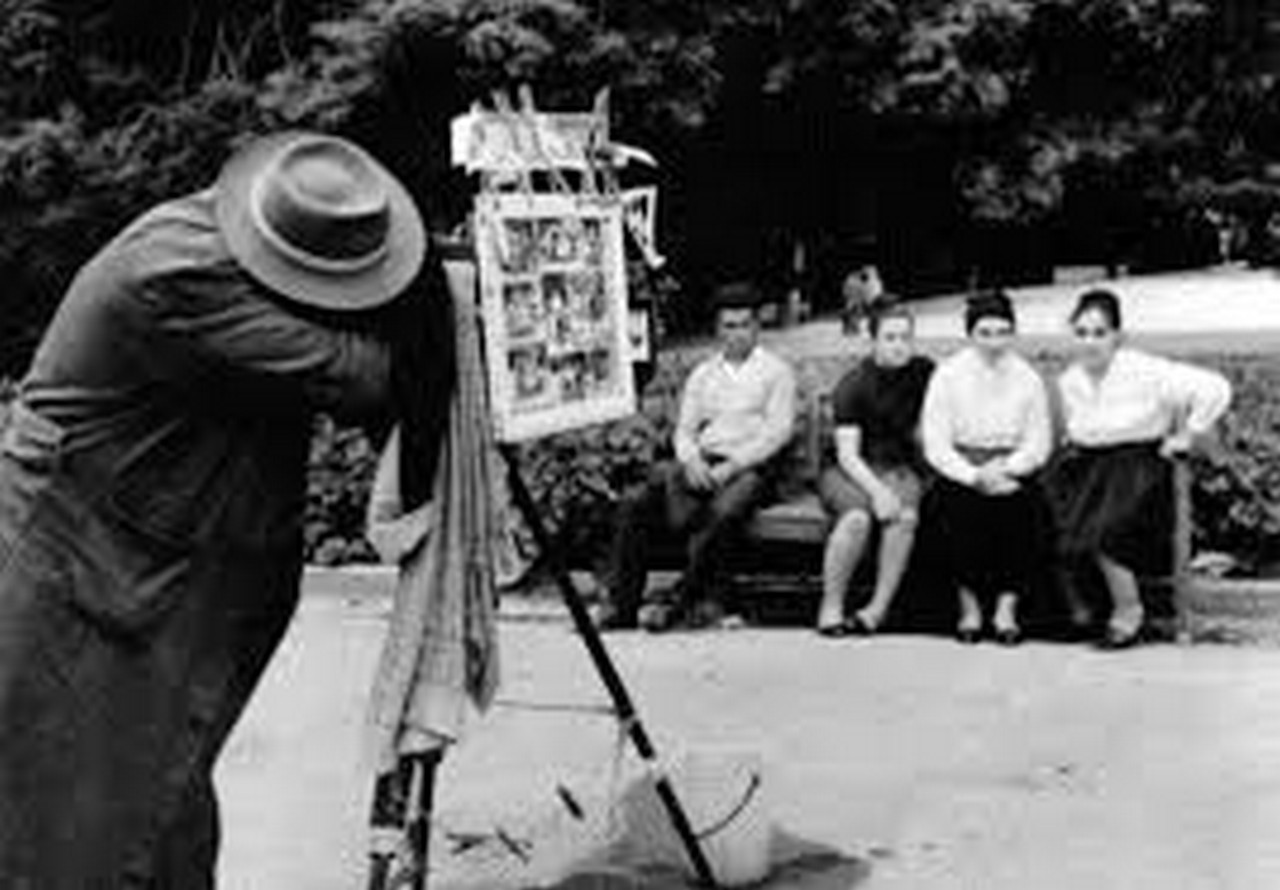
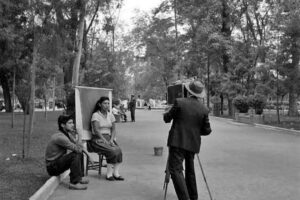
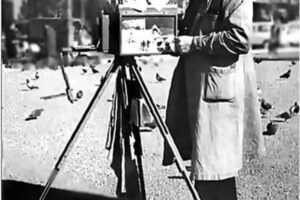
After the First World War, street box cameras became more popular in big cities. Most street photographers worked outdoors near tourist places and invited people to have their portraits taken. They developed the photos immediately, and they were ready in a few minutes. In Spanish, these photographers are called Minuteros.
For generations, people in small towns and villages had their portraits taken while sitting in front of these types of cameras. However, since the 21st century, the use of these cameras has declined because of digital photography. Today, street box cameras are mostly found in tourist hot spots around the world.
* From the late 19th century to the mid-20th century, these travelling portrait artists worked in busy plazas, parks, and fairs.
* They offered affordable photographs to working-class families who could not afford traditional portrait studios.
* Photographers often made their own wooden boxes and reused old lenses, working as both artisans and chemists.

